



The 5 finalists for the SEDA – Salavisa European Dance Award 2026 have been announced
In November, Europe’s most highly endowed dance prize will be awarded for the second time
Lukas Avendaño
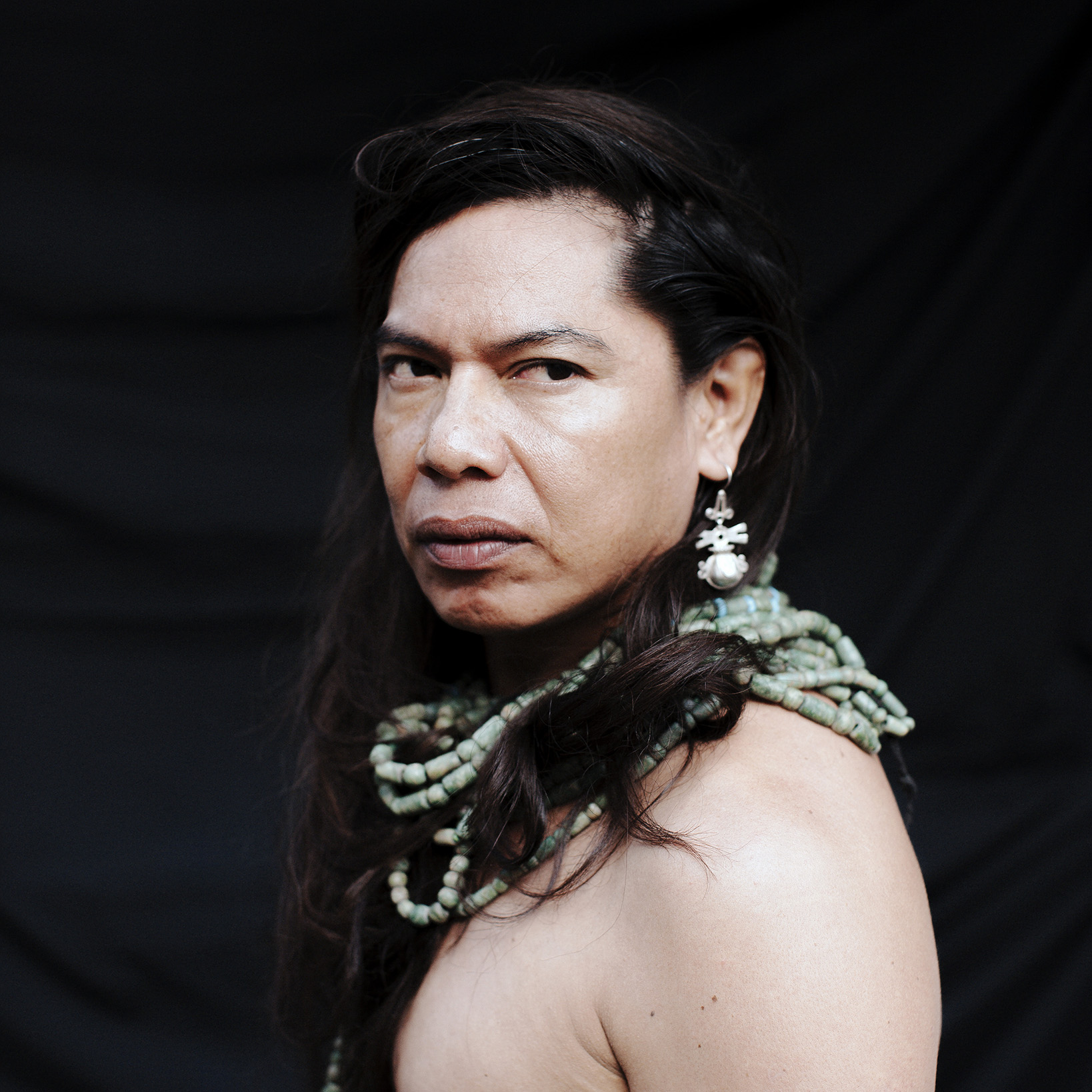
Lukas Avendaño is a performing artist, choreographer, anthropologist, and writer. Trained in dance and anthropology, he combines dance, rituals, ethnography, and activism. His work is based on “Muxeidad” – the social and gender system of the Zapotecs, that challenges the colonial male/ female binary and existed before the arrival of Europeans in America. For Avendaño, it becomes a vehicle for staging controversial explorations of sexuality, indigeneity, and power. As an activist, he addresses one of the most pressing crises in America: the disappearance and murder of people, including that of his own brother.
Avendaño’s work emerges in a liminal space where dance becomes a technique of memory, survival (survivance), and collective imagination. It opens up possibilities for reshaping how global contemporary dance understands rituals, identity, and activism – and offers new methodologies, ideas, and possibilities for the future of this field.
Chiara Bersani
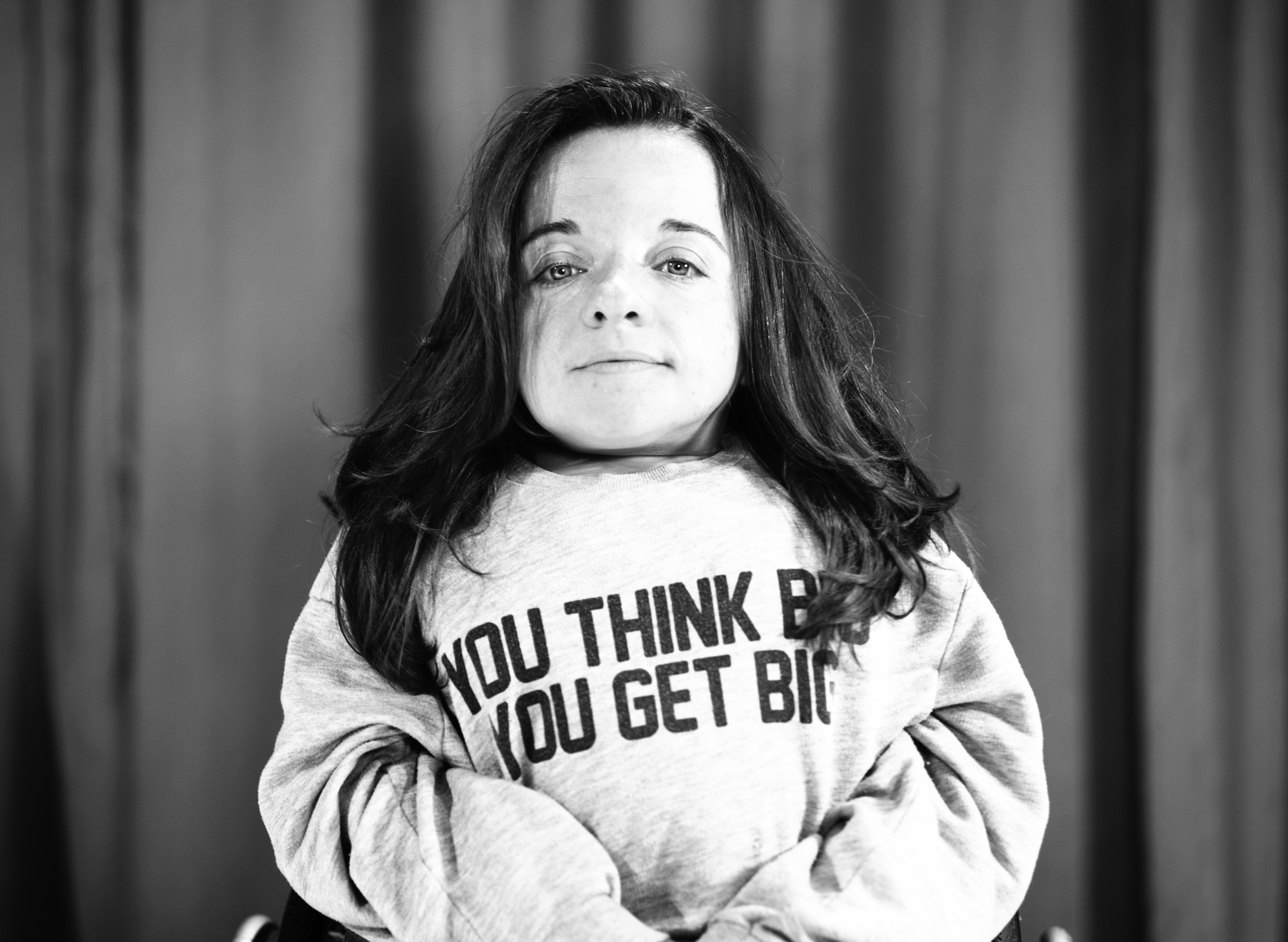
Performer, choreographer, and activist Chiara Bersani advocates for accessibility in the performing arts for artists with disabilities. In this context, she explores the politics of the body and how the images we create interact with the narratives of society.
She is co-founder of the Italian association Al.Di.Qua.Artists, which advocates for the cultural rights of artists and cultural workers with disabilities and seeks to change how people with disabilities are portrayed in mainstream media and public discourse. She was guest curator at the Bastards International Performing Arts Festival 2025 (Trondheim, Norway) and co-curator at Spazio Kor (Asti, Italy) in the 2025/26 season. From 2025 to 2027, she is an associate artist of the Triennale Milano Teatro.
Bersani’s choreographic practice is characterized by radical precision, conceptual depth, and political urgency. Her works undertake a profound redefinition of the relationship between body, time, vision, and power. They question the prevailing aesthetics of virtuosity, speed, and productivity, proposing instead a practice based on continuity, attention, and radical presence.
Dan Daw
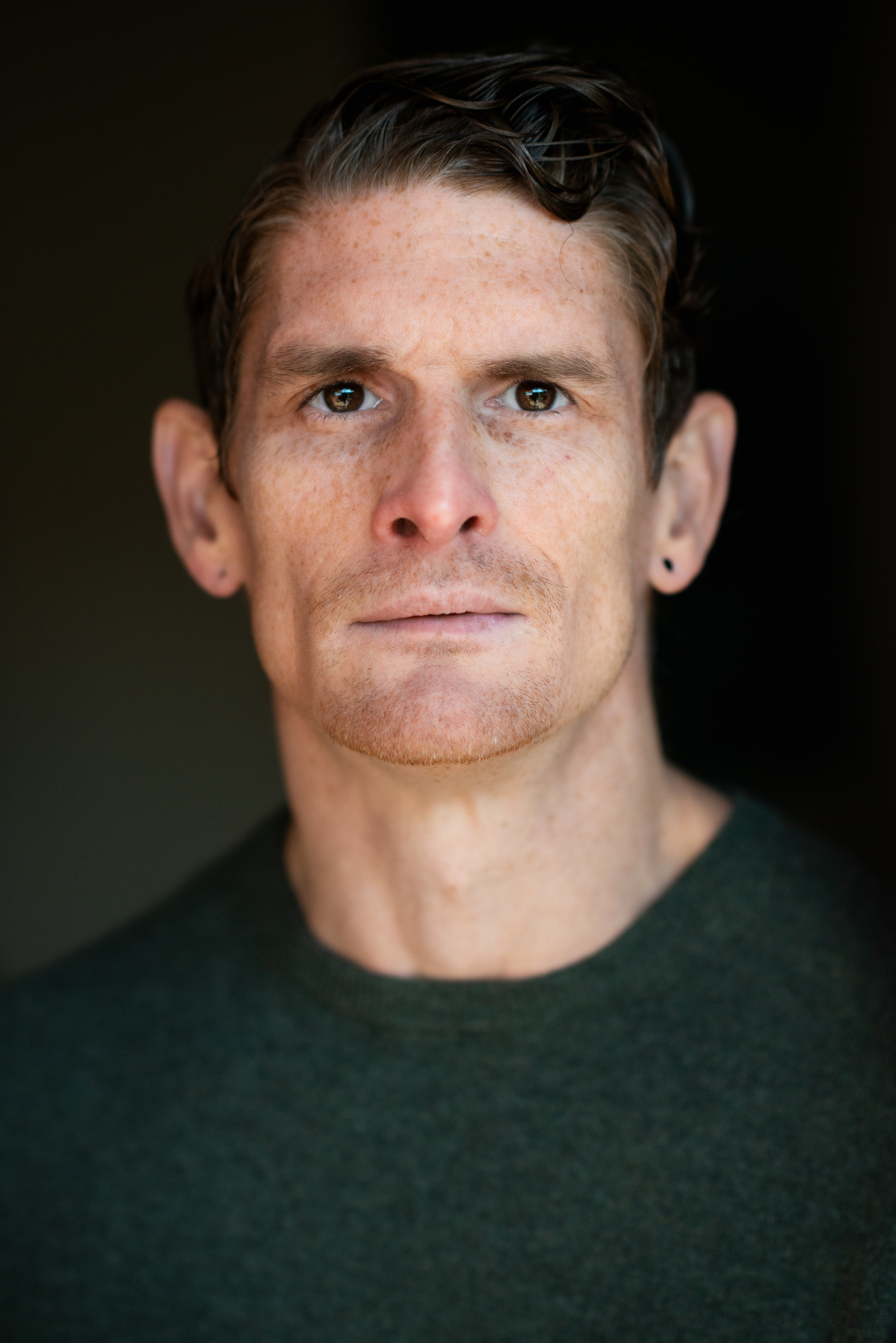
Dan Daw is an Australian artist and producer who now lives in the UK. He began his career in 2002 as a performer with Restless Dance Theatre (Australia). Since then, he has worked with several international choreographers and companies, including the Australian Dance Theatre, Force Majeure (Australia), FRONTLINEdance, Scottish Dance Theatre, balletLORENT, Candoco Dance Company (all UK), Skånes Dansteater (Sweden), and National Theatre Scotland. He is an associate artist at Sadler’s Wells in London.
In addition to his curatorial work for various festivals, he is the founder of Dan Daw Creative Projects. The company, run by people with disabilities, is a pioneer in creating accessible international touring work that blurs the lines between theatre, dance and activism. Through long-term partnerships and residencies, it advocates for systemic change in institutions and across the cultural sector in favor of d/Deaf and disabled artists and audiences.
Daw’s work uniquely combines conceptual acuity, emotional intelligence and political necessity, expanding what representation, autonomy and intimacy can mean on stage. His artistic practice is inextricably linked to his activism: both insist on access, authorship, complexity and dignity.
Mamela Nyamza
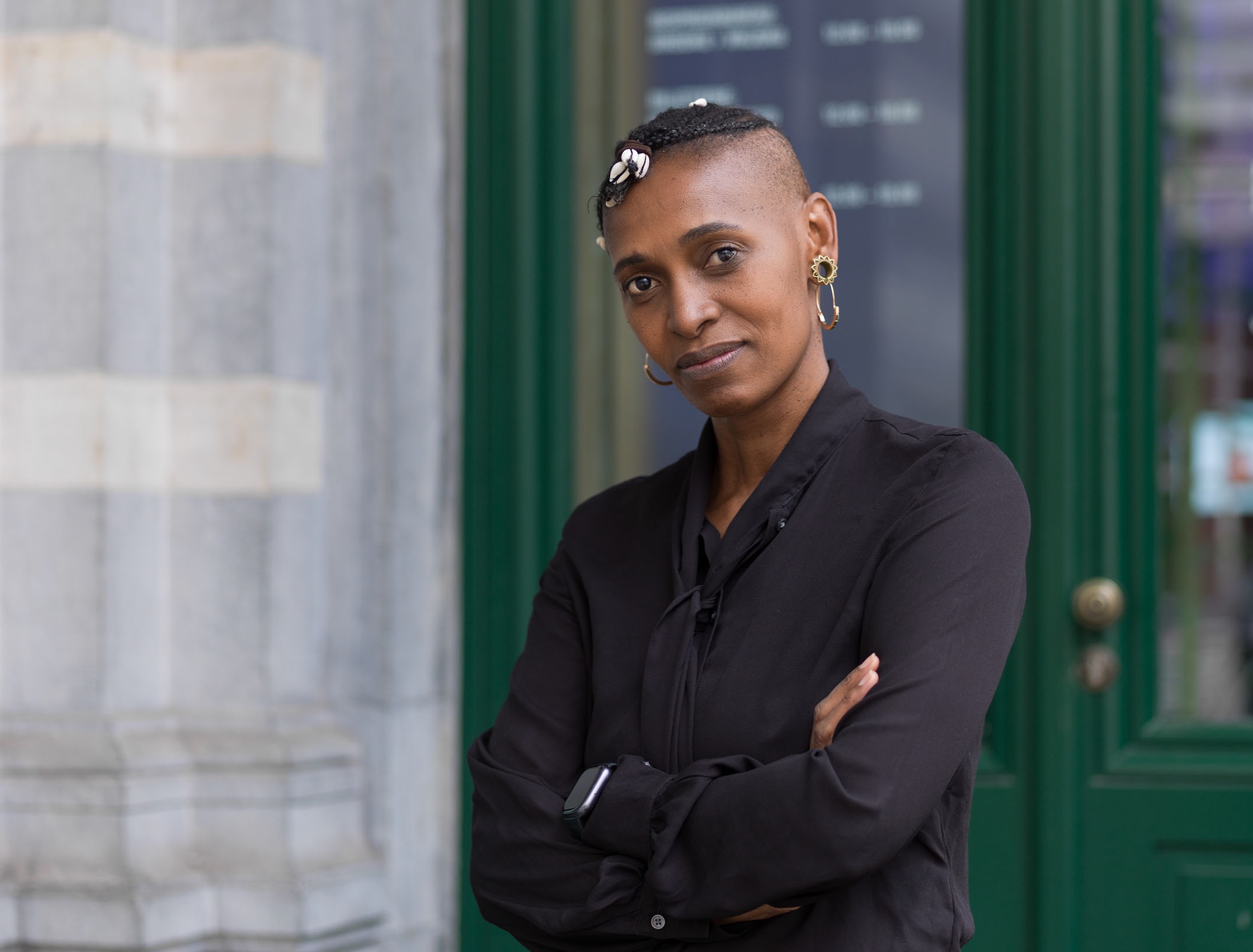
South African choreographer, educator, and art activist Mamela Nyamza received ballet training at Tshwane University of Technology. She continued her career as a guest scholar at the Alvin Ailey New York School of Dance, where she began to deconstruct the Western dance canon. Nyamza exposes the historical exclusions inscribed in the structures of this canon and reclaims space for historically marginalized black, queer, and female bodies.
With her practice rooted in feminism, decolonial critique, autobiographical research, and an unwavering commitment to social justice, she has transformed the African and international performance landscape and demonstrated how movement can act as a catalyst for cultural and institutional transformation. She is the founder of the non-profit organization MAMELAS ARTISTIC MOVEMENT, which provides a creative home for unemployed dance artists who have been marginalized due to body politics.
Jefta van Dinther

In his work, dancer and choreographer Jefta van Dinther explores the question of what it means to be human – in relation to society, the environment, and other life forms. Equally central to his current work is a growing commitment to accessibility and diversity in the field of contemporary dance. He teaches choreography in various international contexts and was a senior lecturer and artistic director in the MA programme in choreography at Uniarts Stockholm. Since 2024, he has been a member of the advisory board of HZT Berlin, where he has been running the DIORAMA workspace since 2022.
Jefta van Dinther is considered one of the most visionary choreographers of his generation. His work deals with profound and universal questions and shows how bodies are shaped by social, cultural, and atmospheric forces. By portraying humans as both biological and relational, physical and psychological beings, van Dinther has developed a choreographic language in which the body is never alone. He moves in immersive constellations of light, sound, objects, and materials that radically transform our perception.